During the medieval period, drama took on a new form with the emergence of mystery plays, miracle plays, and morality plays. Mystery plays were dramatizations of biblical stories and were often performed during religious festivals such as Corpus Christi. These plays were originally conducted in Latin inside church buildings, but over time they moved outdoors and adopted vernacular languages, making them accessible to wider audiences. Mystery plays were organized into cycles, often sponsored by trade guilds in towns like York, Chester, and Wakefield.
Morality plays, which flourished in the 15th and early 16th centuries, focused on the inner spiritual journey of individuals. Allegorical characters such as Everyman, Good Deeds, and Death symbolized moral choices and Christian vitues. These plays laid the foundation for character-driven drama, introducing the idea of the protagonist's internal struggle, an idea that would become central to Shakespearean tragedy.
Before purpose-built theatres were constructed in London, these performances were held in inn courtyards, town squares, and churchyards, with temporary stages or pageant wagons that could be moved from place to place. These spaces allowed for direct interaction between performers and audiences, a hallmark of early theatre that Elizabethan dramatists would later embrace.
The Rise of Elizabethan Theatre and the Globe By the late 16th century, theatre in England had become increasingly secular and professionalized. The
construction of permanent theatres such as The Theatre
(1576), The Curtain (1577), and eventually The Globe
(1599) marked a significant turning point. These open-air amphitheatres could accommodate thousands of spectators and offered tiered seating according to class and wealth, from the standing groundlings to the wealthier patrons in private boxes.
Theatre companies like The Lord Chamberlain's Men (later the King's Men) provided consistent employment for actors and writers. William Shakespeare, as a shareholder and leading playwright in the company, wrote prolifically for these venues, shaping the evolution of drama itself.
Elizabethan playwrights drew upon classical sources while also incorporating native storytelling traditions and current events. The flexibility of blank verse (unrhymed iambic pentameter) and prose allowed for rich characterization and philosophical exploration. Plays engaged with themes such as power and ambition, justice and betrayal, gender roles, fate and free will, and the nature of evil. These concerns reflected the uncertainties of the time, a period marked by political intrigue, religious tension, and exploration of human potential and limitation.
Macbeth in Context
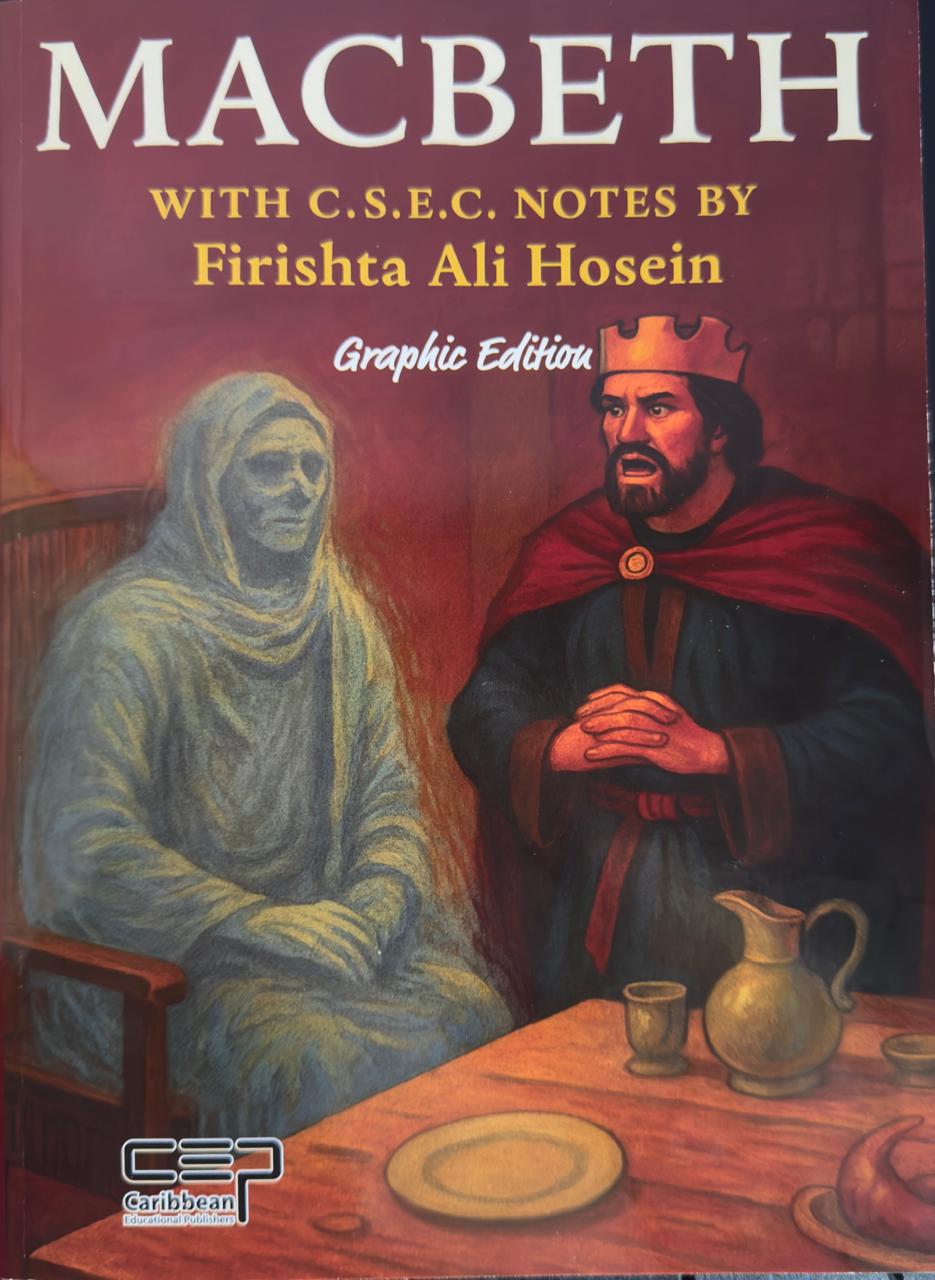
Macbeth, first performed around 1606, stands as a quintessential example of Elizabethan, and early Jacobean drama. Drawing loosely from Holinshed's Chronicles, the play explores the corrupting influence of unchecked ambition and the psychological torment of guilt. The inclusion of witches, prophecies, and supernatural omens reflects contemporary beliefs in magic and the occult, while its compact structure and intense focus on inner conflict mark a departure from earlier sprawling histories.
The play also engages with the Renaissance fascination with the human psyche, influenced by the period's growing interest in philosophy, medicine, and astrology. The atmospheric disturbances and unnatural phenomena that accompany Macbeth's rise and fall echo the ancient and medieval belief that disorder in the cosmos mirrors disorder in the human and political realm, a motif deeply rooted in both Greek drama and Christian moral allegory.